
AI Is Making It Easier to Build Software. Here’s What Comes Next.
A startup just raised $6.1 million to help designers and product managers ship code. Meanwhile, the real opportunity might be in what you build with these tools.
Building software is getting easier, but there’s still a gap between having an idea and actually shipping it.
You might know exactly how a feature should work, but if you don’t know how to code, you usually have to explain it to a developer and wait for them to build it. That process can take weeks, even when the change itself isn’t particularly complicated.
A startup called LightSprint wants to make that process much faster.
You don’t have to be an engineer to contribute code
LightSprint, a Y Combinator-backed startup, raised $6.1 million in seed funding, according to Business Insider on October 13.
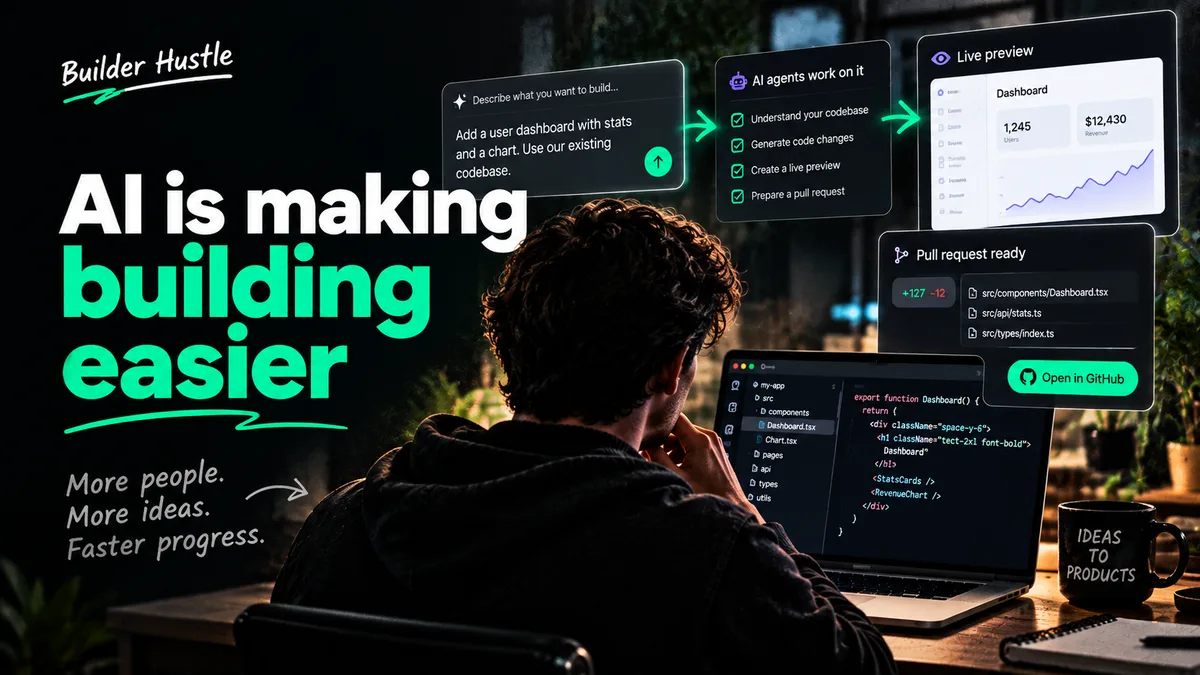
Its product lets designers, product managers and other non-engineers describe a change in plain English. AI agents then work on the existing codebase, create a live preview and prepare a pull request that engineers can review before anything goes live.
The company says more than 100 businesses have used its product since its launch in April. (Read the full story at Business Insider)
What I like about this idea is that it isn’t just another tool for generating code from scratch. It’s trying to fix the handoff between the people who know what a product needs and the people who build it.
Think about how many small changes get stuck in that process. A designer spots a problem with a page, a product manager wants to test a new feature, or someone on the marketing team needs a landing page updated. If AI can help them make those changes directly, with proper testing and engineering review, teams can move a lot faster.
Of course, generating code doesn’t automatically mean the code is good. Human review, testing and security still matter, especially when changes affect a live product.
The opportunity isn’t just in the tools
This is the part I find more interesting.
Every time building becomes easier, more people can try ideas that previously felt out of reach. You don’t need a large engineering team just to test whether a small product is worth building.
We’ve seen a similar shift with AI coding assistants and the growth of tools that turn prompts into working websites. The next step is making those tools work with real products and existing codebases, not just generate impressive demos.
But there’s a catch: when everyone can build faster, simply having a product becomes less of an advantage. Understanding the problem, reaching the right audience and making something people actually want will matter even more.
That’s why I still think distribution and usefulness are two of the most important things for independent builders to focus on. The tools are getting better, but they don’t automatically bring customers.
And that’s something I’m testing with my own projects, too. The goal isn’t to build something just because AI makes it possible. It’s to find a real problem and make the solution useful enough that people come back.
What I’d take away from this
I’m not saying everyone needs to become a developer or start an AI company. But if you’ve been putting off a useful idea because building it seemed too difficult or expensive, this is a good time to reconsider.
Tools like LightSprint are trying to bring more people into the software-building process. That doesn’t remove the hard parts of running a business, but it can make the first step much easier.
The interesting question now isn’t just what AI can build. It’s what people will do with the extra time, lower costs and new possibilities.
That’s where I’d be looking for the next opportunity.
Stay sharp,
Builder Hustle