
The creator economy stopped arguing about AI and started shipping it
Plus the AI video startup that ten-x’d its revenue in a year, and why that number should matter to every solo creator reading this
For a couple of years, the conversation around AI and creators was mostly a fight. Purists on one side, hype merchants on the other, and a lot of noise in between. This week, that fight quietly lost some steam, because two things happened that were less about opinions and more about actual products shipping and actual money moving. Let’s get into it.
A New York startup just launched a tool that lets influencers clone their own videos, and the reaction says a lot about where creators actually stand
A tech-focused creator named Emily Higgins posted a video to Instagram this week that looked completely ordinary. She’s talking to camera about the importance of a strong hook, doing what seems like three separate takes with slightly different scripts.
Except she only filmed one of them. The other two were built by an AI tool.
The tool is called creatorAPI, built by a New York startup named Avail, and it launched this week with a specific pitch: let brands generate dozens of variants of an ad that a real human influencer actually recorded. Not synthetic avatars pretending to be people. Real creators, authorizing real variations of their own real footage.
Avail’s CEO Chris Giliberti described the goal in a way that’s hard to argue with once you hear it: the tool lets creators “scale themselves like software.” A brand can fix a flubbed line, test three different intros, or localize the same read for five different regions, all without dragging the creator back into a studio each time. The creator approves everything upfront. Nothing goes out that they haven’t signed off on.
Here’s the part that’s genuinely clever and a little uncomfortable at once. The variants don’t show up on the creator’s own profile. They’re distributed directly into other people’s feeds through a technique called dark posting, meaning you could see three completely different versions of the same ad from the same creator, and never know it, because none of them live anywhere you’d think to check.
Giliberti pushed back hard on the idea that this cheapens creative work, and it’s worth hearing him out. “Software engineers are able to crank out ten times more code with AI tools and that’s palatable,” he said, “but the second a creator adopts a tool like this, they’re shamed for it.” That’s a genuinely fair point buried in an otherwise messy debate. Nobody accuses a developer of losing their soul for using autocomplete.
Why this matters if you make content for a living: the tools for scaling your own output without burning yourself out are arriving faster than the social norms around using them. If you’re a solo creator or run a small content team, the practical question isn’t whether AI editing tools like this exist now, it’s whether you’re going to be the one deciding how your own face and voice get reused, or whether someone else further down the chain will make that call for you. Getting ahead of that conversation with your own audience, before a brand or platform forces it, is worth doing now rather than later.
This is exactly the kind of repurposing problem tools like Blog2Video are built around too, just from the other direction. Instead of cloning a video you already made, Blog2Video takes something you’ve already written, a blog post, an article, a PDF report, and turns it into a video without you ever picking up a camera. Same underlying idea: your existing work, doing more work, without you having to redo it from scratch.
An AI video startup went from $50 million to $500 million in revenue in about a year, and it’s actually making money doing it
While the ethics debate around AI editing was playing out on Twitter, a company called Higgsfield was quietly putting up numbers that most startups only dream about.
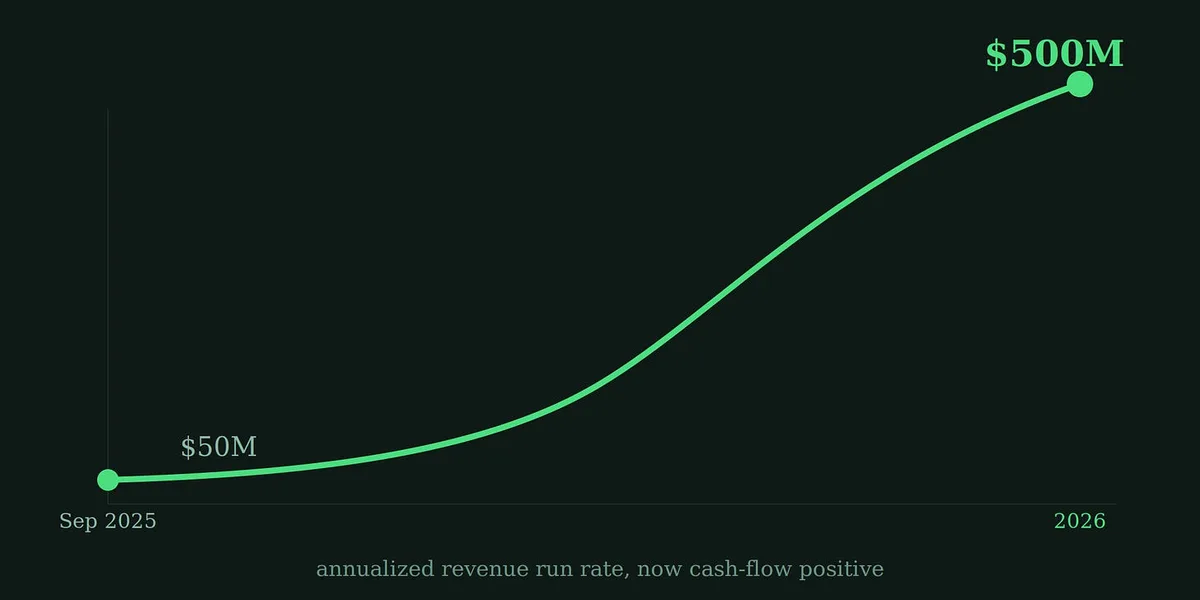
Higgsfield told Business Insider its annual revenue run rate has hit $500 million, up from $50 million in September of last year. That’s a tenfold jump in about twelve months. The company also confirmed something rarer than the growth number itself: it’s cash-flow positive. In an industry where most AI startups are burning venture money as fast as they can raise it, an AI video company actually keeping more cash than it spends is unusual enough to be its own headline.
The founding story is straightforward and worth knowing if you build anything yourself. Higgsfield was started by Alex Mashrabov, and rather than trying to build one perfect video model from scratch, the company bundled access to several of the best ones already out there, Kling, Sora, Veo, and others, behind sixty-plus presets built specifically for making ads and social content fast. It didn’t try to out-research the big labs. It built the layer on top that regular people and small teams actually wanted to use.
The customer list is what makes the revenue number believable rather than just a flashy press release. Higgsfield now works with 390 Fortune 500 companies, and commercial advertising makes up 70 percent of what happens on the platform. This isn’t a tool mostly used for novelty clips. It’s infrastructure that real marketing teams have started depending on.
Chief strategy officer Mahi de Silva put it simply: “The democratization of these tools is drawing a ton of people into the platform.” That’s the whole story in one sentence. Higgsfield didn’t win by being the smartest model in the room. It won by making the smart models usable by people who were never going to learn a research paper’s worth of prompting syntax to get a decent 15 second ad out the door.
Here’s the lesson: you don’t have to invent the underlying technology to build something genuinely valuable and genuinely profitable. Higgsfield’s entire strategy was picking the best tools already available and wrapping them in something a non-technical person could actually use without friction. If you’re sitting on an idea that feels “too simple” because it’s built on someone else’s model or API, You don’t always need better tech to win. Sometimes nailing the interface, the onboarding, and the overall experience is the real competitive advantage.
Creators are becoming businesses
Steven Bartlett and Authentic Brands Group just launched OBSN, a new venture that plans to invest up to $400 million into creator-led businesses. The goal isn’t just sponsorships. It’s helping creators turn their audiences into products, brands, media companies and other businesses.
That’s a pretty big signal for where the creator economy is heading. The audience is becoming the asset, and the content is becoming the distribution channel.
For creators, the question is slowly changing from “How do I monetize my content?” to “What business can I build around the audience I’ve already earned?”
That’s the issue. Stay sharp.
Builder Hustle