
Meta and OpenAI Are Buying the Plumbing Behind AI Coding
One is buying a tool for coordinating coding agents. The other wants better control over how code is stored and reviewed. The next battle in AI development is getting bigger.
On November 4, two interesting things happened in the developer-tools market.
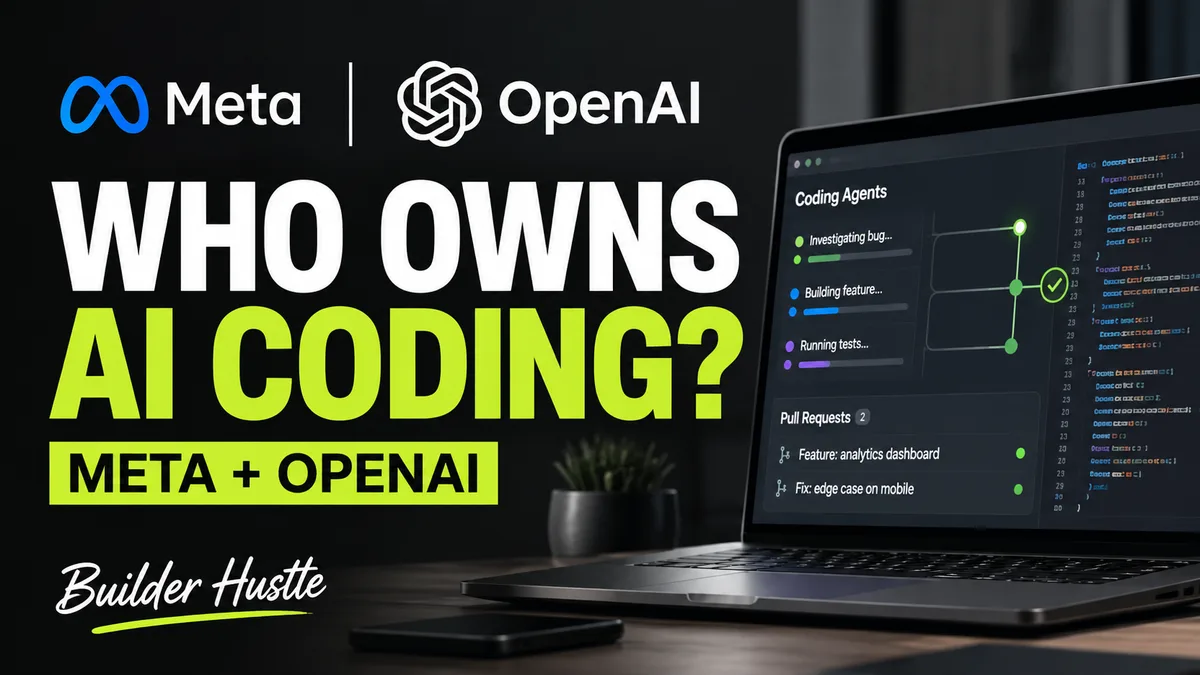
Meta acquired Conductor, a startup that lets developers run multiple AI coding agents in parallel.
On the same day, OpenAI announced plans to acquire Pierre Computer, the company behind Code Storage and several open-source developer tools already used inside Codex.
Neither company disclosed the financial terms.
At first, these look like two ordinary startup acquisitions. But put them together and there’s a bigger story.
AI companies don’t just want to build better coding models anymore. They want to own more of the workflow that developers use every day.
Meta wants to manage your coding agents
Conductor was built around a fairly simple idea.
Instead of asking one AI agent to handle an entire project, developers could run several agents simultaneously, each working on separate parts of the codebase.
One could investigate a bug while another works on a feature. A third could handle a different task in its own workspace.
Conductor brought those workflows together, supporting agents from companies including Anthropic and OpenAI.
Now the startup is joining Meta’s Superintelligence Labs.
But there’s an important detail for existing users.
Conductor Cloud becomes read-only on November 13 and shuts down on November 20. Users need to export their data before the shutdown. The local application will continue receiving new models and critical bug fixes until early 2027.
The company says it hopes to introduce something new next year.
You can read the founder’s announcement and migration instructions.
Meta hasn’t disclosed exactly what it plans to build with the technology. But acquiring a product designed to coordinate multiple coding agents gives it another entry point into the developer workflow.
OpenAI wants more control over the code itself
OpenAI’s deal with Pierre Computer targets a different part of the process.
Pierre built tools for navigating files, reviewing code changes and storing code with Git history.
Some of that technology is already inside Codex.
OpenAI specifically mentioned two open-source libraries:
Trees: Helps developers navigate large projects and their files.
Diffs: Makes it easier to inspect and review code changes.
Pierre also built Code Storage, which lets applications store code and track its history using Git.
OpenAI says it wants to bring more of these capabilities into Codex, connecting the work agents produce with the tools developers use to review and ship it.
Importantly, OpenAI says Pierre’s open-source projects will remain open source, and existing Code Storage customers can continue using the service after the acquisition closes.
The deal is still subject to customary closing conditions and regulatory approvals.
OpenAI’s official announcement.
The interesting part is what they’re buying
Look at the difference.
A coding model generates code. But a real development workflow involves much more:
Someone needs to assign the task, manage the agent, keep work separate, inspect changes, resolve problems and eventually ship the result.
That’s a lot of software surrounding the model itself.
Meta is moving into agent coordination. OpenAI is strengthening code storage, navigation and review.
They’re approaching different parts of the same problem.
And this is why I think these acquisitions matter more than another model benchmark.
The next competitive advantage may not come from having an agent that writes code slightly better. It may come from building the environment where developers and agents do all their work.

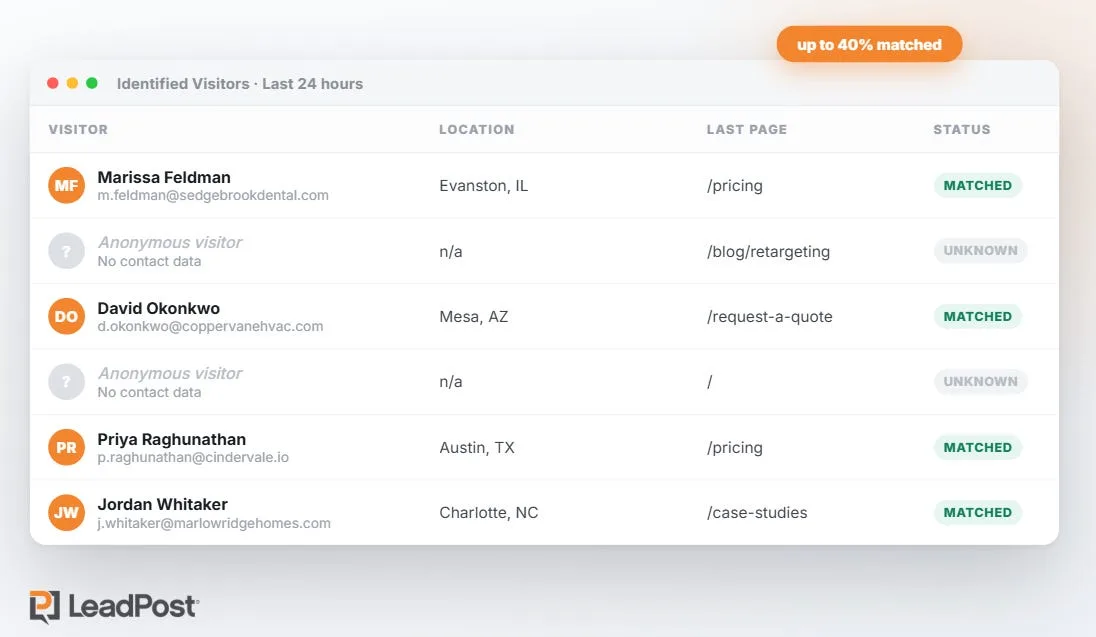
You pay to get people to your site. Most of them look around, don’t fill out anything, and vanish. Your analytics can tell you a session happened. It can’t tell you who it was, and it definitely can’t email them. LeadPost closes that gap. Add one line of code and it identifies up to 40% of your anonymous traffic with verified names, emails, and mailing addresses, with no form required, then syncs them into HubSpot, Salesforce, Klaviyo, or wherever you already work. Builder Hustle readers can turn it on free for 14 days. No credit card, no sales call. Install the tag and see who’s been showing up all along.
14-day free trial, up to 200 leads. No credit card required. U.S. website visitors only. Works best on sites with at least 1,000 unique monthly visitors.
The AI coding market is getting crowded, but the interesting competition is no longer limited to who has the smartest model.
It’s about who owns the place where the work begins, where agents collaborate, where code gets reviewed and where finished software gets shipped.
And that’s a much bigger business than autocomplete.
Stay sharp,