
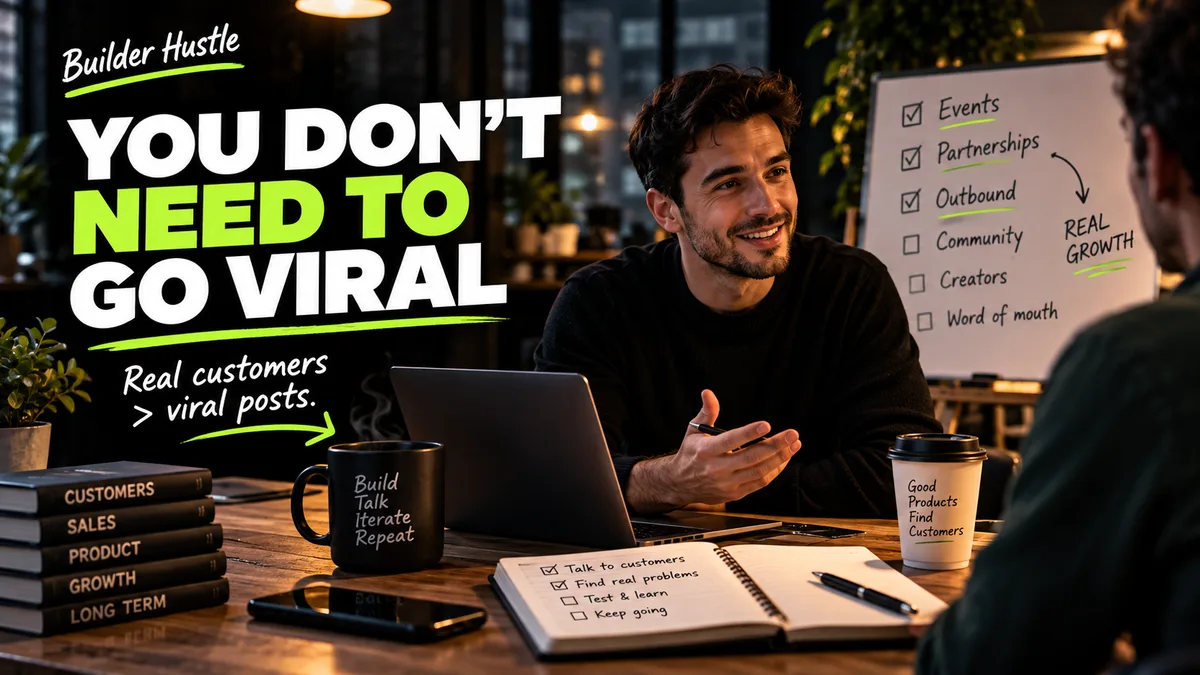
You Don’t Need to Go Viral to Build a Business
One startup reached $150 million in bookings without a big social media presence. Let’s dive in.
Open X or LinkedIn for five minutes and you’ll probably see someone talking about their launch, their latest revenue milestone or how one post brought them thousands of users.
It’s easy to look at all of that and feel like you’re doing something wrong if your own project isn’t getting much attention.
But here’s something worth remembering: you don’t need to go viral to build a business. You need customers who actually want what you’re selling.
And sometimes, the best way to find them has nothing to do with posting every day.
One startup grew without the social media hype
I came across an interesting story on TechCrunch this week about Engine, a travel company that helps businesses manage their hotel bookings.
According to its founder, Elia Wallen, the company reached $150 million in bookings before taking outside funding. It didn’t rely on a big social media following to get there.
Instead, the team did things that might sound pretty old-fashioned today: attending events, talking to potential customers and picking up the phone.
Wallen even described hiring a magician to attract people to the company’s booth at events.
Honestly, I love that.
While everyone else is trying to figure out the latest growth hack, someone is finding customers by having actual conversations with them.
You can read the full story on TechCrunch.
Today’s Partner: LeadPost
You’re already paying for traffic. Why leave potential leads anonymous?
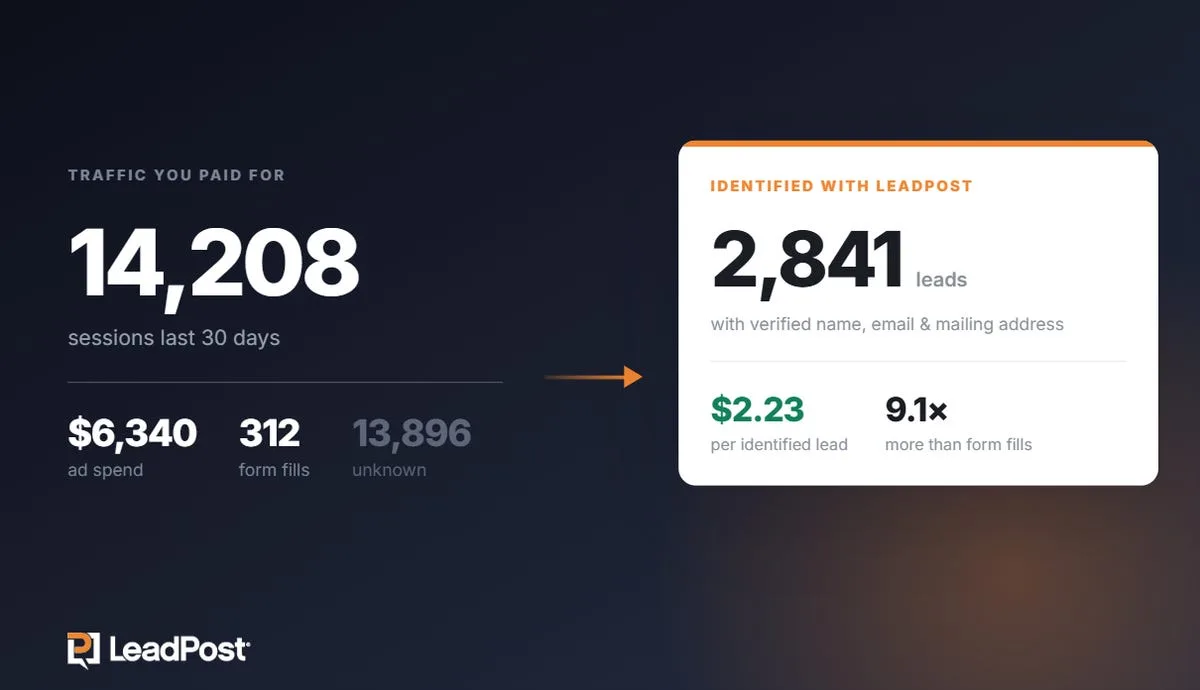
You spend money getting people to your website. But many leave without ever filling out a form.
LeadPost helps identify eligible U.S. website visitors and turn anonymous traffic into contact records, including names, emails, addresses, and business details. It can send leads to your CRM automatically, giving your marketing team more ways to follow up through email, ads, and direct mail.
One customer attributed $270,000 in sales to a $4,000 spend. Your results may vary, but you can test LeadPost with your own traffic before committing.
14-day free trial, up to 200 leads. No credit card required. U.S. website visitors only. Works best on sites with at least 1,000 unique monthly visitors.
back to our post..
Not every business needs the same growth strategy
Here’s where things get interesting.
The same article discusses Gamma, the presentation software company, which used creators and an ambassador programme to reach different audiences.
That approach makes sense for a product people can easily demonstrate in a video or share with their audience. But it takes more than paying someone to mention your product. The creator needs to understand who the product helps and why their audience should care.
Engine and Gamma took different routes, but both had to figure out how to reach the right people.
That’s the bit I think founders sometimes overlook.
We spend a lot of time choosing technologies, building features and polishing landing pages. But we can spend surprisingly little time talking to the people who might actually pay for what we’re making.
A great product that nobody knows about has a problem. So does a product that gets thousands of views but doesn’t give people a good reason to use it.
What I’d do if I were starting from zero
I’d stop worrying about going viral for a while and focus on finding the first few people who genuinely need the product.
If you’re building software for businesses, that might mean contacting ten potential customers and asking how they currently solve the problem. If you’re running a newsletter, it might mean talking to readers about what they want more of. If you’ve built a consumer tool, it could mean finding a small community where people already discuss that problem.
The point isn’t to avoid social media. It can be a fantastic way to reach people. The point is to stop treating views and likes as the only signs of progress.
I’d rather have 20 people who regularly use a product than 20,000 people who saw it once and forgot about it.
Of course, the numbers that matter will depend on what you’re building. A free tool, a paid newsletter and a business selling expensive software all have different paths to success. But understanding your customers matters in every case.
Talk to People Before You Give Up
If your project isn’t growing, don’t assume the idea is bad.
Before adding another feature or tweaking your landing page, talk to a few potential customers. Find out what they need, what they’re using now, and why they might switch.
You might learn more from a few honest conversations than another week of building.
And if something brings you customers, keep doing it. You don’t need to chase every new tactic you see online.
You don’t need to go viral. You need to find people who care about what you’re building.
A Free Report Worth a Look
Curious about the companies making waves in 2026? Get this free report featuring 10 companies to keep on your radar, from AI innovators to established names.
Get the Free Report →
Stay sharp,